
A Harvard study found that 36% of Americans experience “serious loneliness”—and among young adults ages 18 to 25, that number climbs to 61%. Yet here’s the paradox: many of these same people aren’t just lonely. They’re actively afraid of being alone.
This fear has a clinical name: autophobia (also called monophobia). And if the thought of an empty house or a solo weekend makes your chest tighten, you’re experiencing something deeply human—and entirely fixable.
But when does normal discomfort cross into clinical territory? For some people, the fear of being alone qualifies as an anxiety disorder—a condition where the fear is persistent, excessive, and interferes with daily functioning. If you experience panic attacks when facing solitude, or if your fear prevents you from living normally, you may be dealing with more than everyday discomfort. Related conditions like separation anxietycan also contribute to these feelings, especially if the fear centers on being away from specific people rather than being alone in general.
What Is the Fear of Being Alone? (Autophobia Explained)
Autophobia is the persistent fear of being alone or isolated. Unlike loneliness, which describes the pain of inadequate social connection, autophobia is anxiety triggered by the state of being alone—even when you have plenty of friends and a full social calendar. Someone with autophobia may feel fine at a crowded party but panic when everyone leaves.
According to the Cleveland Clinic1https://my.clevelandclinic.org/health/diseases/22578-autophobia-monophobia-fear-of-being-alone, autophobia is a specific phobia that can cause significant distress and avoidance behaviors.
Why Are We So Afraid of Being Alone?
If at least a third of people actively avoid their own company, something deeper is happening. This fear isn’t a personality flaw—it’s a predictable response with three root causes.
Your Brain Treats Isolation Like Physical Danger
For thousands of years, separation from your tribe meant death. Alone, you faced predators without backup. Your brain evolved an alarm system for exactly this scenario.
Researchers call this the Evolutionary Theory of Loneliness2https://www.researchgate.net/publication/323531424_Loneliness_and_Social_Isolation. According to this framework, perceived isolation activates the same neural regions as physical pain. “Belonging was once survival, exile a death sentence,” explains marriage and family therapist Daniel Dashnaw. “That wiring never left. Today, loneliness registers in the brain as threat.”
When your house goes quiet, that ancient alarm system starts firing—even though no predators are coming.
Modern Life Atrophied Your Solitude Muscles
Brains work like muscles: skills weaken without practice. With a smartphone buzzing in your pocket around the clock, you’re never truly alone. Research shows that over half of people experience moderate “nomophobia” (fear of being without their phone), and about 20% experience severe nomophobia.
You’ve forgotten how to sit quietly with your own thoughts without reaching for a distraction. You haven’t practiced solitude—extended time alone with your thoughts—so when it happens, your brain reacts with anxiety because it’s out of practice.
Culture Celebrates “We” and Stigmatizes “Me”
From childhood, the message is clear: happiness means togetherness. Movies celebrate the perfect couple. Instagram glorifies the tight-knit friend group. When you ask for a table for one, you’re pushing against a massive cultural script. That can feel deeply uncomfortable.
The bottom line? Your fear combines ancient wiring, atrophied mental muscles, and social pressure. None of it reflects weakness—and all of it responds to training.
Step 1: Use the Carrot Method (Positive Reinforcement)
Psychologists have long understood that the size of a reward determines how dedicated you become to earning it. This is basic operant conditioning: behaviors followed by rewards get repeated.
To feel comfortable being alone, plan activities you genuinely look forward to—then make them solo-only experiences.
Try these:
- Have a favorite Netflix show? Decide you can only watch it when alone.
- Want a special treat from that bakery across town? Save it for a date night with yourself.
- Love a band your friends don’t appreciate? Take yourself to the concert.
This reframes alone time from “something to endure” to “something to anticipate.” You’re not white-knuckling through solitude. You’re earning a carrot.
Step 2: Baby Steps (Graded Exposure)
You can’t overcome any fear in a single leap. Trying to spend an entire weekend alone when you’ve never managed an hour will likely backfire, creating more negative associations with solitude.
The clinical term for this approach is graded exposure therapy—the gold standard treatment3https://warwick.ac.uk/fac/sci/psych/research/lifespan/lowintensity/resources/exposure_information_sheet.pdffor specific phobias like autophobia. This technique is rooted in cognitive behavioral therapy (CBT) principles, which focus on gradually changing your behavioral and emotional responses through structured practice. You build a hierarchy from least to most anxiety-provoking situations, then work through them systematically.
Your solitude hierarchy might look like:
- Get a coffee alone (15 minutes)
- Eat lunch at a café by yourself (30 minutes)
- See a movie solo (2 hours)
- Spend a Saturday afternoon alone at home (4 hours)
- Take yourself on a day trip (8 hours)
- Spend a full weekend solo
Each successful experience teaches your brain that being alone isn’t dangerous. The anxiety response weakens through repetition.
How to Overcome Fear of Being Alone at Night
Nighttime often intensifies the fear of being alone. The darkness, quiet, and lack of distractions can make anxiety spike. Here are specific strategies for conquering nighttime fears:
- Create a calming bedtime routine: Establish predictable rituals like herbal tea, gentle stretching, or reading. Routine signals safety to your brain.
- Use ambient sound: White noise machines, sleep podcasts, or calming music can ease the silence without requiring active engagement.
- Start with shorter periods: If a full night alone feels overwhelming, begin by staying alone until 10 PM, then gradually extend.
- Prepare your environment: Make your space feel secure with good locks, nightlights in hallways, and a phone within reach.
- Practice relaxation techniques: Deep breathing or progressive muscle relaxation can interrupt panic responses when anxiety rises at night.
Challenge: Schedule one mini-date with yourself this week. Start small—even 20 minutes counts.
Step 3: Reflection and the Default Mode Network
Sometimes your best ideas surface when you’re on your own. This isn’t coincidence—it’s neuroscience.
When you stop focusing on external tasks and let your mind wander, you activate your brain’s Default Mode Network (DMN). Researchers describe the DMN as “the brain’s creative compost bin”—it turns over ideas beneath the surface, connecting memories, processing experiences, and generating insights.
Constant smartphone use suppresses the DMN. Your brain needs mental spaciousness to surprise itself.
The reflection challenge:
Skip working. Skip scrolling. Skip streaming. Bring only a pad of paper and a pen on your next solo outing. See what surfaces.
The idea for Vanessa’s book Captivate emerged during a solo hike—no phone, no agenda, just walking. The concept appeared mid-trail: a behavior hack guide for people, like programming guides for computers. A year later, the book existed.
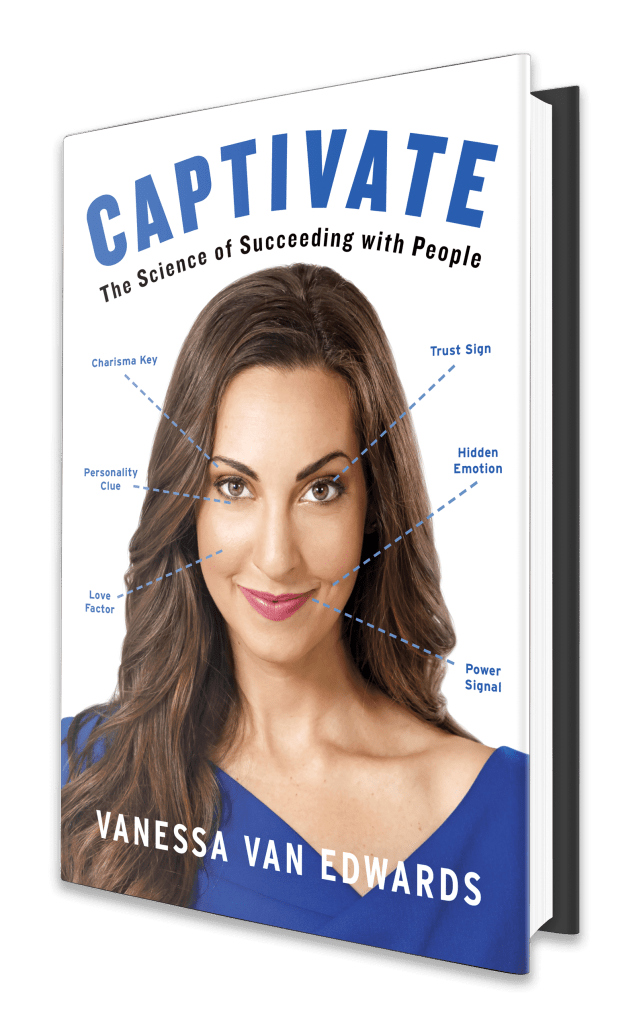
Succeed with People
Master the laws of human behavior and get along with anyone. Increase your influence, impact, and success.
Register below to get your FREE chapter of Captivate.
Your next breakthrough might be waiting for the quiet space to arrive.
Step 4: Fake a Solo Mission (With a Fading Plan)
You can accelerate progress by treating solo outings like experiments rather than emotional confrontations. This approach works because it gives you a sense of control.
Here’s the protocol:
Week 1: Pick a spot you’d normally visit with friends—a diner, coffee shop, or park. Go alone, but bring a prop: headphones, a book, a sketchpad. You’re not hiding. You’re giving yourself permission to ease in.
Set a 20-minute timer. Order something, read a chapter, people-watch. When the timer buzzes, leave. Mission complete.
Week 2: Return to the same spot or try somewhere new. Extend to 30 minutes. This time, try going without the prop for part of the visit. If anxiety rises, use positive self-talk: “I’m capable of being alone. This discomfort is temporary.”
Week 3 and beyond: Continue extending time and reducing props until solo outings feel unremarkable.
Important: Think of props as training wheels. Research on safety behaviors in exposure therapy suggests they help people start facing fears—but relying on them permanently can prevent your brain from learning that the situation itself is safe. The goal is eventually going without them.
How to Overcome Fear of Being Alone at Home
Home can feel especially challenging because it’s where we expect comfort—yet emptiness can feel amplified within familiar walls. Try these home-specific strategies:
- Designate a “solo sanctuary”: Create one cozy spot that feels safe and inviting for alone time—a reading nook, a comfortable chair by a window.
- Establish presence cues: Keep lights on in multiple rooms, play background music, or have a podcast running to reduce the “empty house” feeling.
- Build home-based solo rituals: Cook yourself a nice meal, take a long bath, or start a creative project that’s just for you.
- Invite life into your space: Plants, a fish tank, or even photos of loved ones can make a home feel less empty without requiring another person.
- Practice incremental alone time at home: Start with one hour while others are out, then build to an afternoon, then a full day.
When to Seek Professional Help
The steps above work well for general discomfort with solitude. But if your fear of being alone causes panic attacks, prevents you from functioning in daily life, or traces back to a traumatic experience, consider working with a mental health professional.
Cognitive behavioral therapy (CBT) is particularly effective for specific phobias like autophobia. A therapist can guide you through structured exposure therapy while addressing underlying thought patterns. According to Verywell Mind3https://warwick.ac.uk/fac/sci/psych/research/lifespan/lowintensity/resources/exposure_information_sheet.pdf, professional treatment can significantly reduce symptoms for most people with autophobia.
If you are struggling, please note that this content is not professional medical advice. Consult a doctor or licensed therapist for questions about your physical or mental health.
Fear of Being Alone Takeaway
Solitude isn’t something to survive—it’s a skill to develop. When you know how to be alone, you gain the ability to recharge on your own terms, access your most creative thinking, and feel secure regardless of who’s around. Overcoming the fear of being alone is possible with patience and practice.
Your action plan:
- Reframe the reward: Pair solo time with activities you genuinely enjoy (the Carrot Method)
- Build gradually: Start with 15-minute outings and work up to longer periods (graded exposure)
- Protect unstructured time: Let your mind wander without devices to activate your Default Mode Network
- Run experiments: Treat solo missions as low-stakes practice, using props temporarily as training wheels
- Know your threshold: Seek professional support if fear significantly disrupts your daily life
The 36% of people who fear being alone aren’t broken. They’re working with ancient brain wiring that no longer matches modern reality. The good news? Brains adapt. Yours will too.
Ready to deepen your solo practice? Explore self-awareness strategies to better understand your thoughts and emotions when alone.
Article sources
- https://my.clevelandclinic.org/health/diseases/22578-autophobia-monophobia-fear-of-being-alone

- https://www.researchgate.net/publication/323531424_Loneliness_and_Social_Isolation
- https://warwick.ac.uk/fac/sci/psych/research/lifespan/lowintensity/resources/exposure_information_sheet.pdf

How to Deal with Difficult People at Work
Do you have a difficult boss? Colleague? Client? Learn how to transform your difficult relationship.
I’ll show you my science-based approach to building a strong, productive relationship with even the most difficult people.